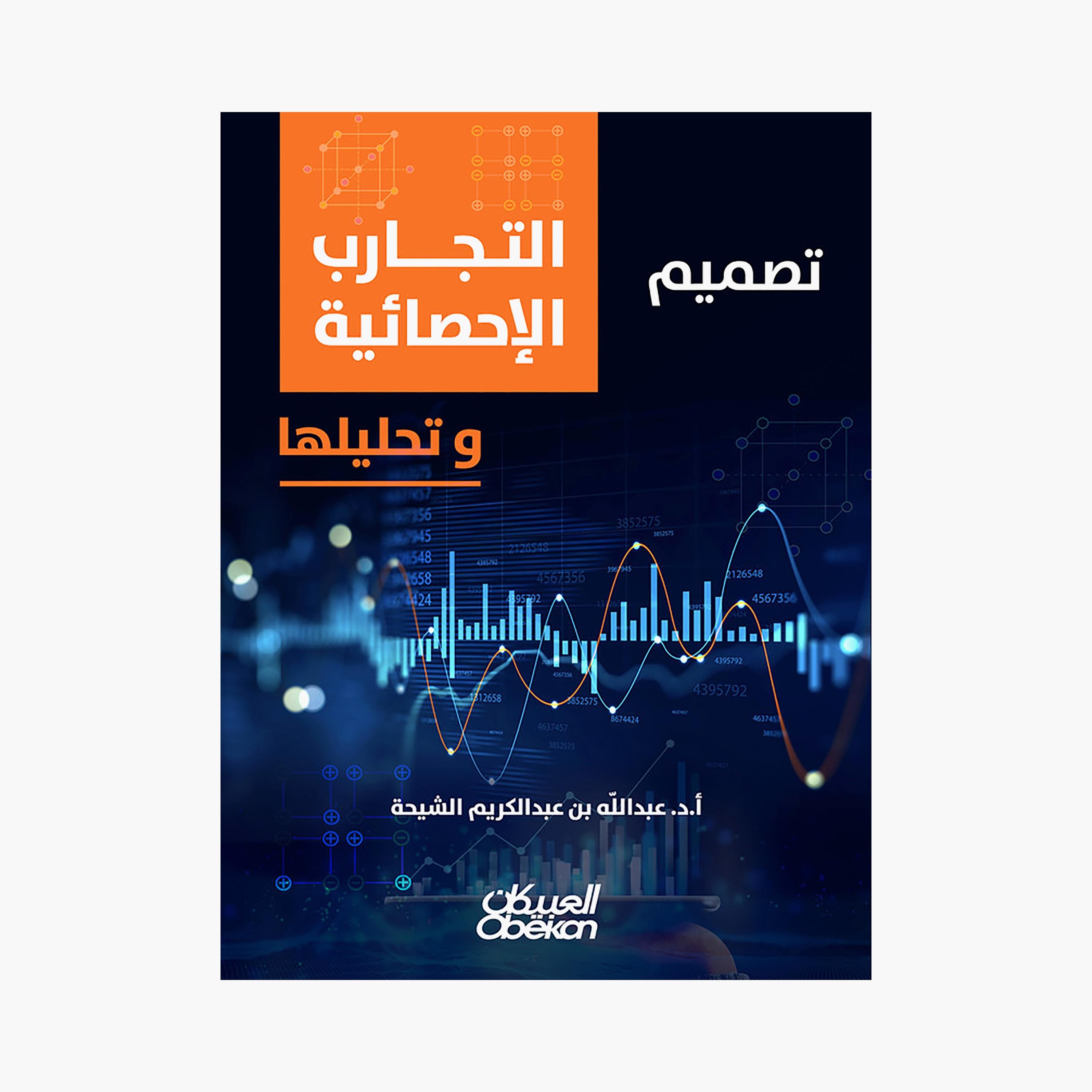
Design of Statistical Experiments - Abdullah bin Abdul Karim Al-Shiha
115
Pay 4 interest-free payments of 28.75/ month with
Color: Multicolour
Product Details
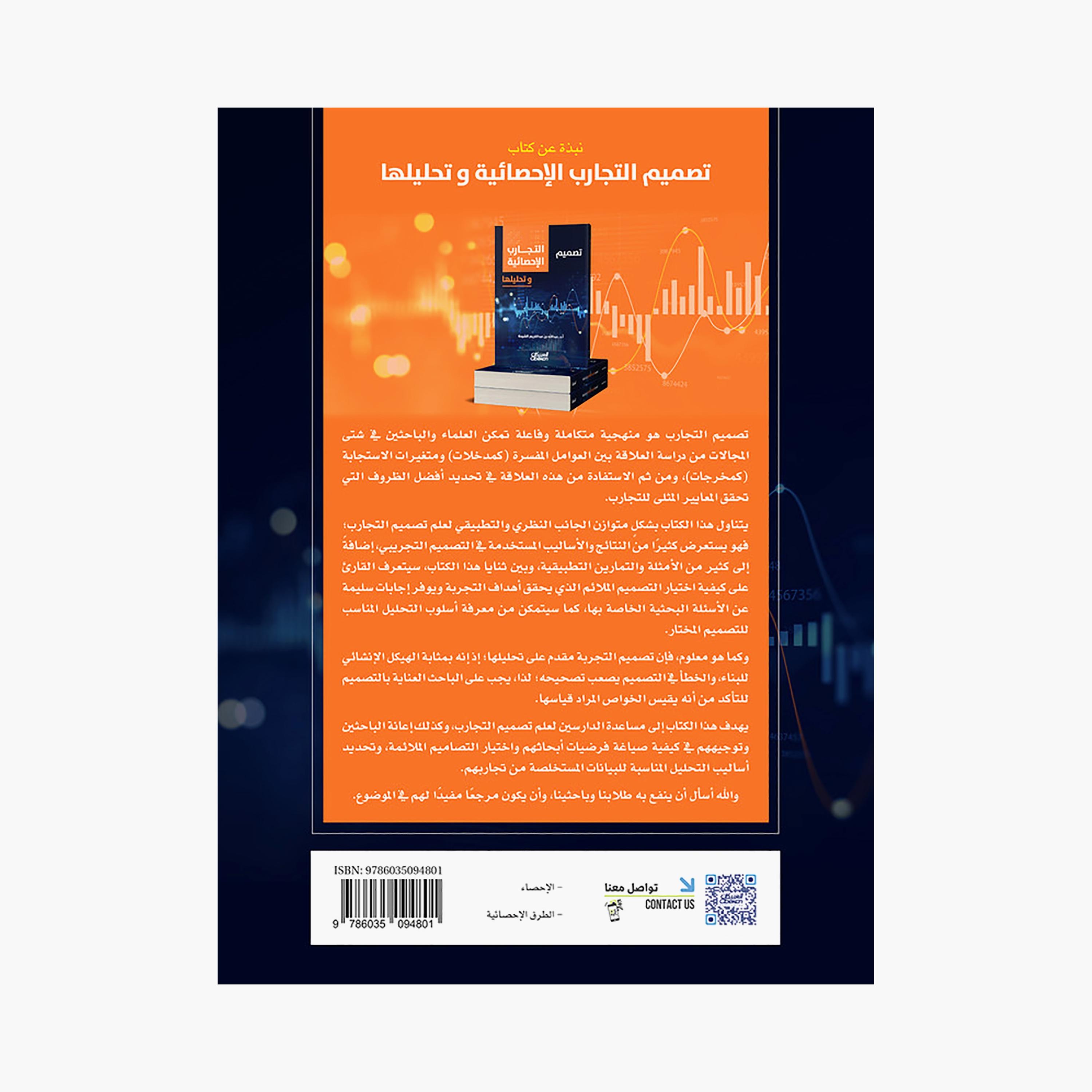
Experimental design is a crucial methodology for studying the relationship between inputs and outputs to achieve optimal experimental conditions. This book offers a balanced exploration of both theoretical and practical aspects, including numerous examples and exercises. Readers will learn to select appropriate designs and analytical methods to meet experimental objectives and answer research questions. Emphasizing the importance of design over analysis, the book guides researchers in formulating hypotheses and choosing suitable designs. It serves as a valuable resource for students and researchers, aiming to be a beneficial reference in the field.
General Specifications
- Age GroupAdults
- Weight400g
- Dimension24×17
See Less Details
Subscribe to our awesome emails.
Get our latest offers and news straight in your inbox.
Download our apps
Shop our products and offers on-the-go.